RIO Liquid-Phase Latex Rubber Tensile Performance Test: Over 800% Elongation Demonstrates Superior Elastic Mechanics
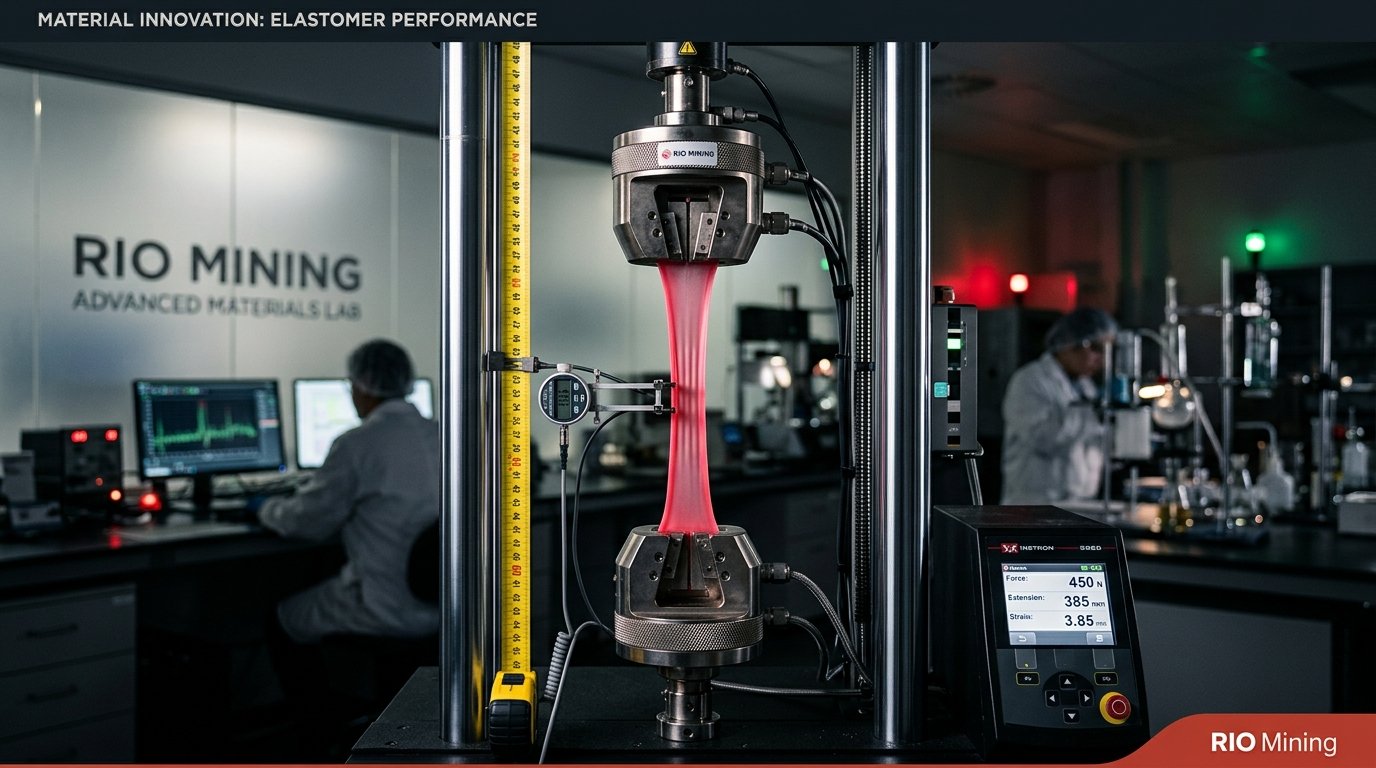
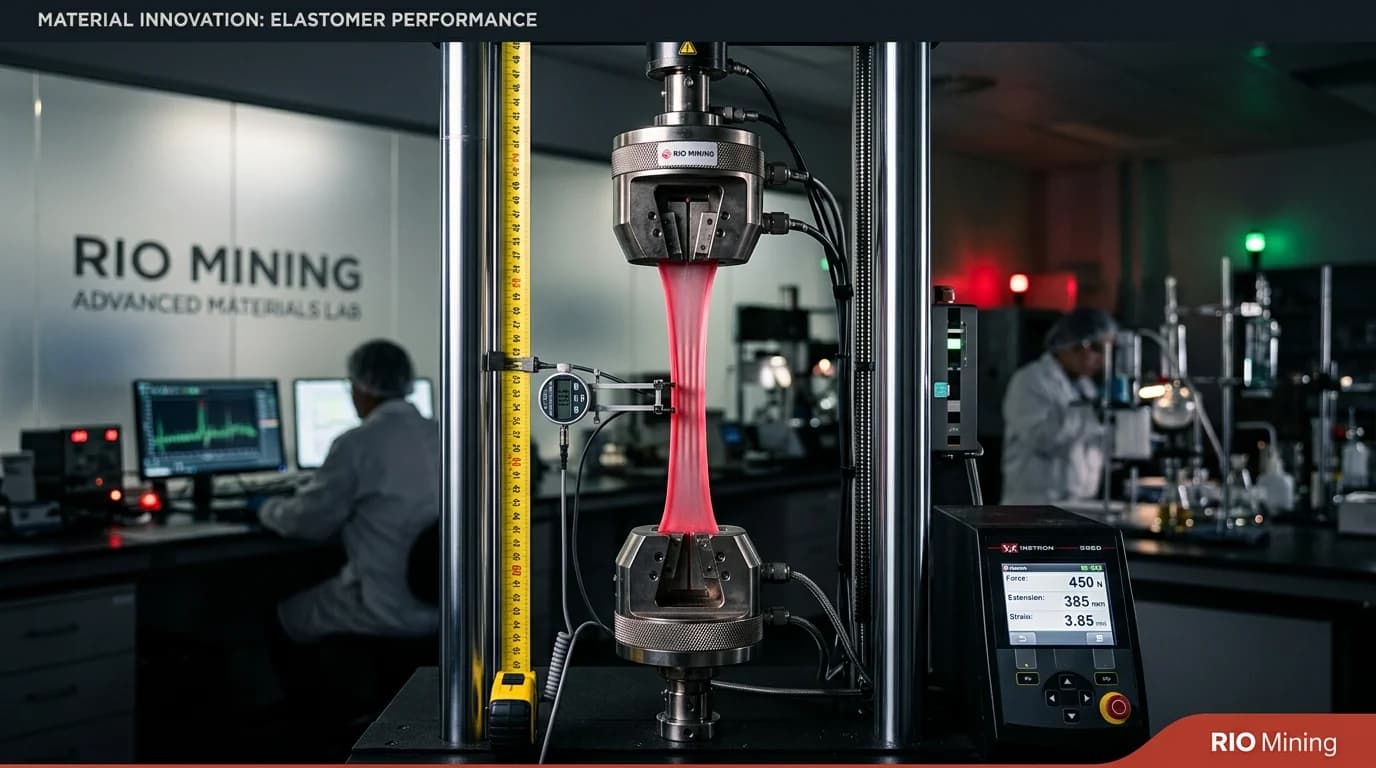
To intuitively demonstrate the superior elastic mechanical performance of RIO Latex Rubber, our engineering team conducted a standardized comparative tensile test. Traditional black rubber and RIO Liquid-Phase Latex Rubber were mounted on the same universal tensile testing machine and subjected to comparative tensile evaluation under identical testing conditions, clamp spacing, and elongation rates.
Tensile Comparison Test: Visual Comparison of Extension Travel and Deformation Limits
During the test, a distinct mechanical contrast was observed: traditional black rubber exhibited limited elongation travel with a relatively minor deformation range before quickly reaching its rupture point; in stark contrast, RIO Latex Rubber achieved tremendous extension, demonstrating tensile deformation capabilities far exceeding those of conventional black rubber compounds while maintaining structural integrity.
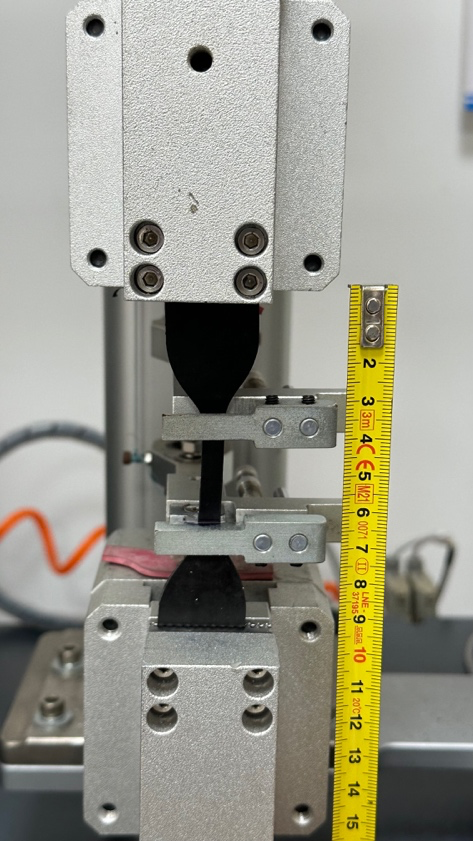
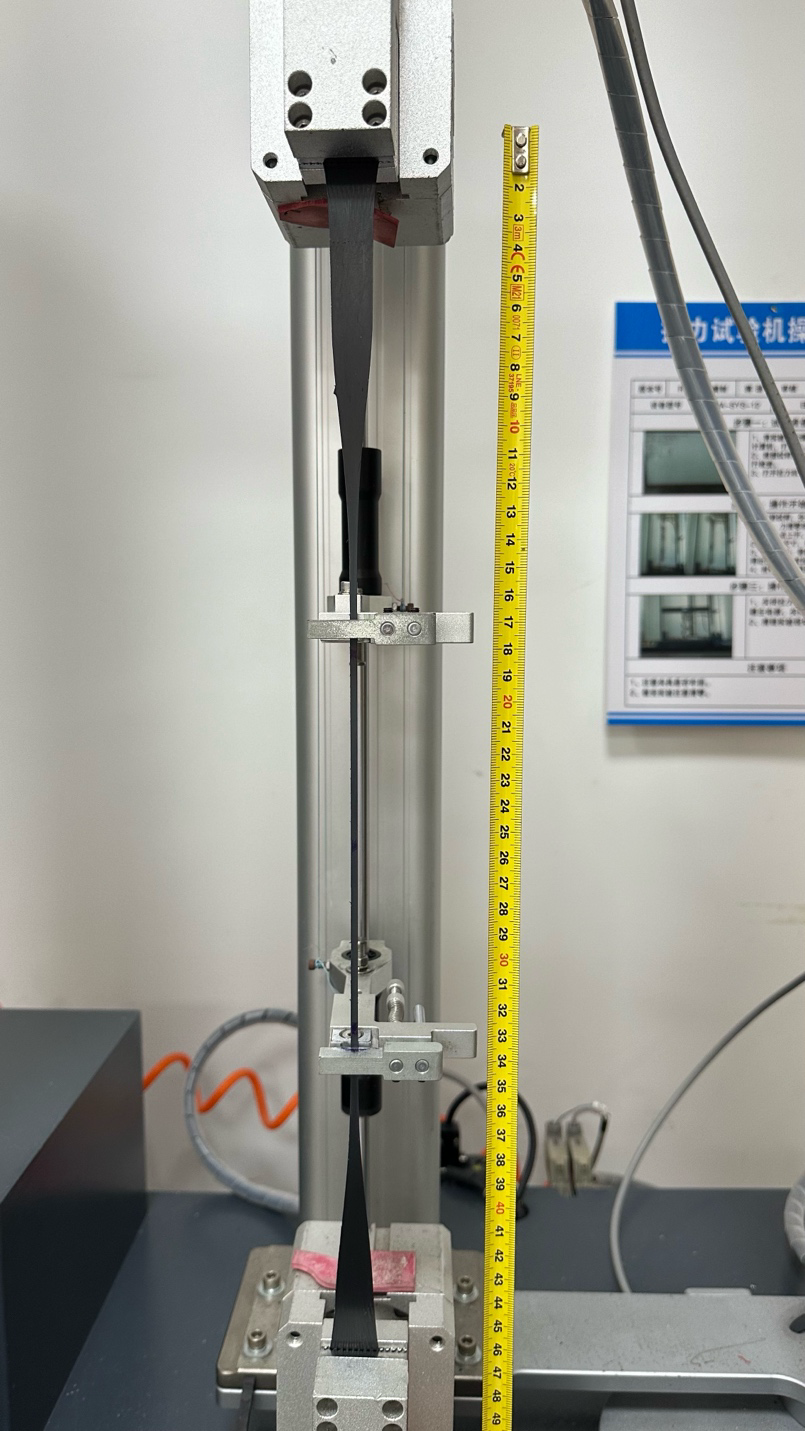
Performance: Limited travel distance, constrained deformation envelope, prone to micro-cracking and fatigue failure under high-strain dynamic loads.
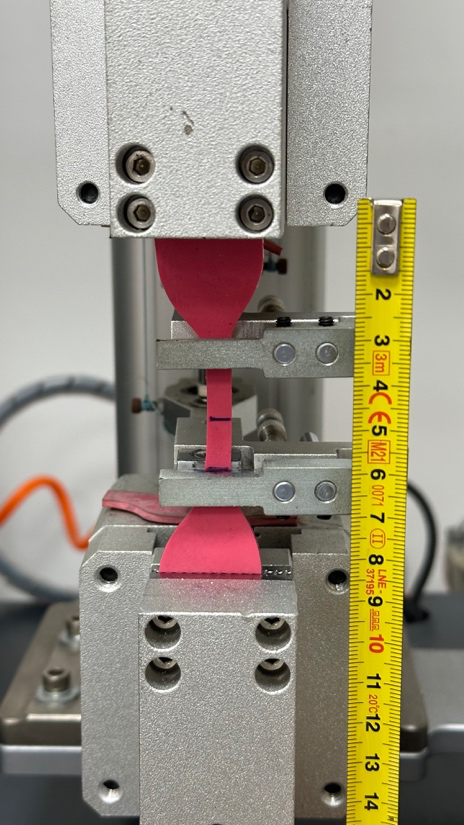
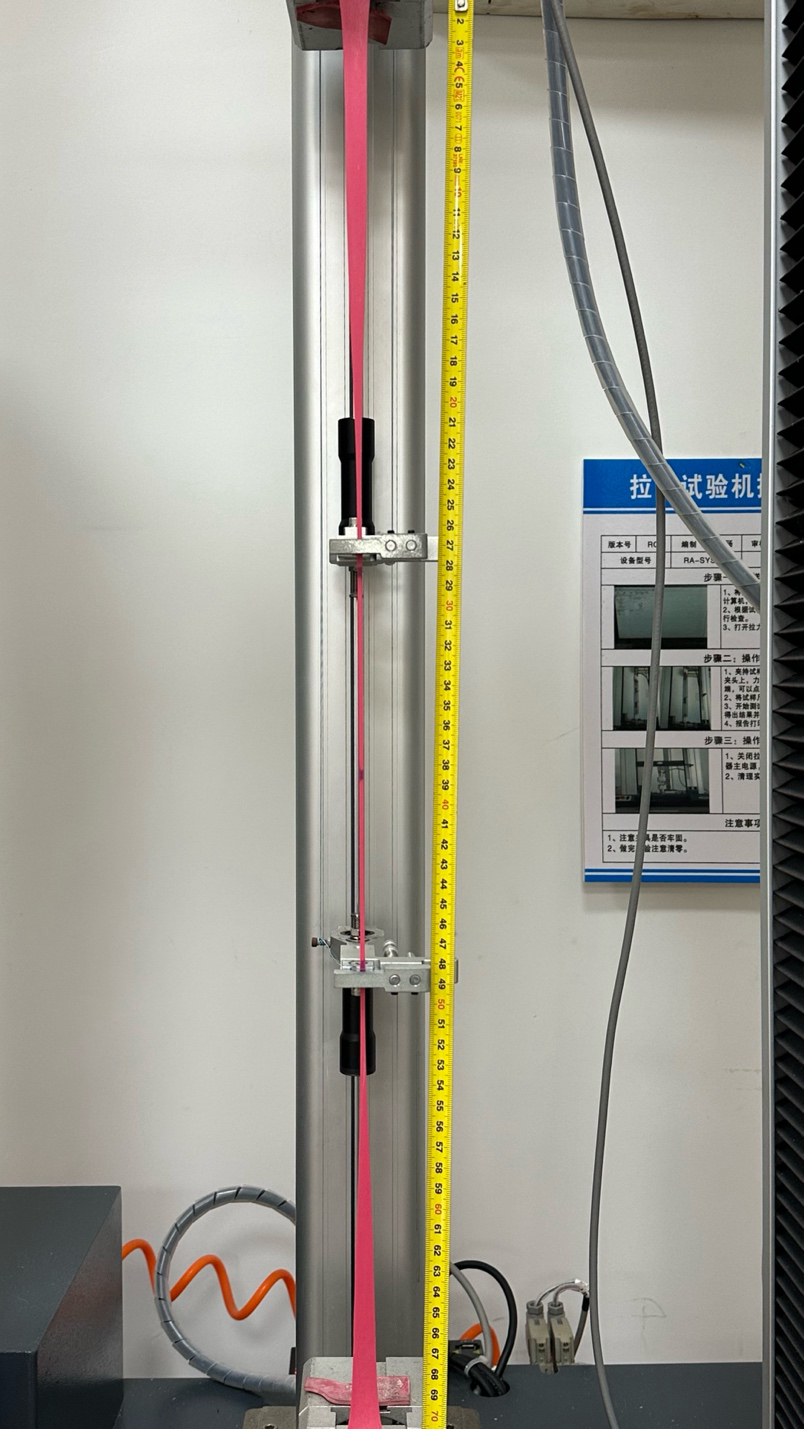
Performance: Massive elongation travel, exceptional toughness, instantaneous rebound with virtually zero permanent plastic set.
Core Advantage: Intact Natural Macromolecules Deliver Unmatched Service Life
Relying on its unique liquid-phase process, RIO Latex Rubber achieves outstanding metrics with an elongation at break of 820% and a tensile strength of 26 MPa. By compounding and mixing in the fresh liquid latex phase, the process avoids the intense mechanical shearing and thermal degradation of dry Banbury mixers, fully preserving the natural rubber long molecular chains and 3D elastic spring network.
"Under severe and large-deformation operating conditions, the material maintains stable mechanical properties, possessing exceptional elongation capacity and instantaneous rebound recovery. With outstanding tear and deformation resistance, it is ideally adapted to demanding mining environments such as wear-resistant chute liners, slurry pipelines, and vibrating screen components that require continuous cyclical deformation, ensuring long-term operational reliability and extended service life."
In modern crushing, grinding, and mineral separation circuits, rubber components must not only resist abrasive slurry wear but also withstand hundreds of millions of cyclic impact deformations. RIO Latex Rubber's hyper-elastic resilience is the fundamental factor in multi-fold service life extension:
- Mining Wear-Resistant Liners (Chutes, Hoppers & Mills): Absorbs high-energy rock impact via deep elastic cushioning and instantly rebounds, preventing brittle chipping and liner tear-off.
- Slurry Pipe Linings & Heavy-Duty Rubber Hoses: Absorbs high-frequency pump vibrations and turbulent slurry shearing without cracking or leaking.
- Vibrating Screen Decks & Screening Accessories: Endures high-frequency cyclical flexure without aperture blinding or fatigue tearing, maintaining stable classification efficiency.